
Aluminum Wiring in Lubbock Homes: Is It Safe and How Is It Fixed?
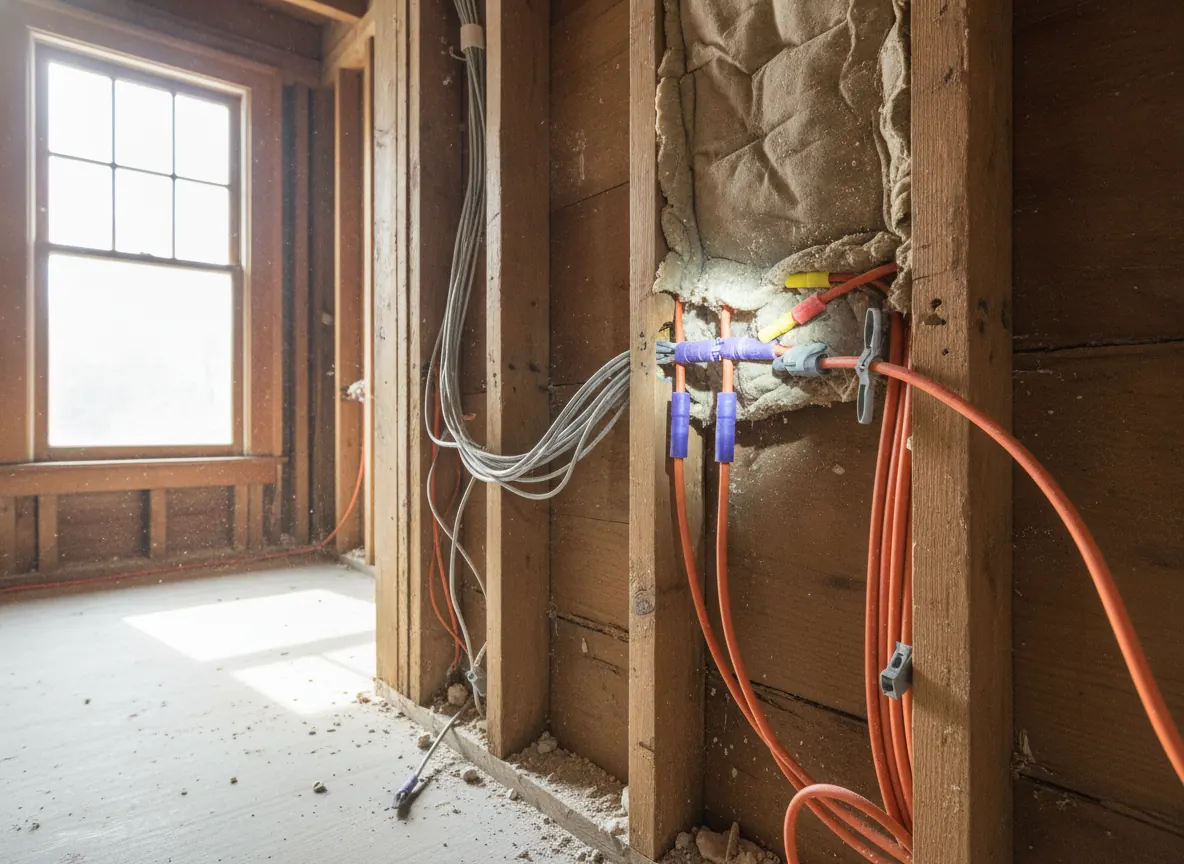
If your home in Lubbock, TX was built or added onto between the mid-1960s and the mid-1970s, aluminum branch wiring is worth asking about. It is not a reason to panic. It is a known issue with well-documented, federally recognized fixes, and a licensed electrician can tell you what wiring is in the house and what the options are.
This guide uses the U.S. Consumer Product Safety Commission's own wording from CPSC Publication 516, "Repairing Aluminum Wiring," as its main source.
Which homes may have aluminum wiring?
The CPSC puts it this way: "Homes built before 1965 are unlikely to have aluminum branch circuit wiring. Electrical cables installed between 1965 and the mid 1970s in new homes, in additions, and as part of rewired/new circuits may contain aluminum wiring."
Lubbock has a lot of housing from that window. About 28% of the city's homes, roughly 33,200, were built in the 1960s and 1970s (ACS 2020–24 5-year estimates). In the ZIP code area covering Rush and the neighborhoods south of Texas Tech, the share built from 1960 to 1979 is about 44%. Those numbers describe housing age only. There is no data on how many Lubbock homes actually have aluminum wiring, and many homes from the era were wired with copper.
Older homes in Tech Terrace, Overton and the Heart of Lubbock mostly predate 1965, but additions and rewired circuits from the 1960s and 1970s can still contain aluminum.
How do I know if I have aluminum wiring?
- Look at any exposed cable in the attic, garage or utility area without touching connections. Cable jackets are often printed with "AL" or "ALUMINUM".
- Check the home inspection report from when you bought the house. Inspectors often note it.
- Ask a licensed electrician to confirm. They can check at the panel and at a sample of outlets and switches safely.
- Do not pull outlets or switches out of the wall or remove the panel cover to look.
The CPSC's concern is the smaller branch-circuit wiring that feeds outlets, switches and lights. Larger aluminum conductors for some 240-volt appliances and service entrances are a separate topic; an electrician can explain what you have.
Is aluminum wiring safe?
The CPSC cites a Franklin Research Institute survey that found homes "built before 1972, and wired with aluminum, are 55 times more likely to have one or more wire connections at outlets reach 'Fire Hazard Conditions'" than homes wired with copper. The survey defined those conditions as cover-plate screws reaching about 300°F, sparks, or charring. The issue is mainly at the connections, where aluminum meets a device or another wire.
That is why the fixes focus on connections. If you notice switch plates or outlet covers that feel warm, lights that flicker, or a faint burning smell, turn off that circuit if you can do so safely and have an electrician check it. If there is smoke or fire, call 911. The emergency electrician guide covers what to do first.
Twist-on connectors are not a fix. The CPSC warns that "repairs" made with ordinary twist-on connectors "may be prone to even more failures." Aluminum repairs need the right method and the right tools, done by a licensed electrician.
How is aluminum wiring fixed?
The CPSC recognizes three approaches:
| Method | What it involves | Cost notes |
|---|---|---|
| Rewire with copper | Replace the aluminum branch circuits with copper wiring; the most complete fix | Whole-house rewiring about $6–$10 per sq ft (2026 cost guides) |
| COPALUM crimp | A short copper pigtail is joined to each aluminum wire with a special crimp connector, installed by authorized installers | Priced per connection; ask for a count and a written quote |
| AlumiConn connector | The CPSC's "Acceptable Alternative Repair Method": a connector rated for joining aluminum to a copper pigtail | Priced per connection; ask for a count and a written quote |
A contractor quoting COPALUM or AlumiConn work should be able to tell you roughly how many connections the house has (every outlet, switch, light and junction) and price from that count. A full rewire is more disruptive but replaces the aluminum entirely. Read more on the rewiring and aluminum wiring page, and see the Lubbock electrician cost guide and its calculator for rewiring estimates. Published ranges are estimates, not quotes.
Homes from this era often have other original equipment. If an electrician is already evaluating the wiring, it can make sense to ask about the panel at the same time; see Federal Pacific and Zinsco panels and outlets and switches.
Insurance and selling a home
Some insurers ask about aluminum branch wiring when writing a policy. Ask your agent what they require: an evaluation, a documented repair with COPALUM or AlumiConn, or a rewire. When you sell, a buyer's inspector may note it, and records of a permitted, inspected repair help answer questions. This is general information, not insurance or legal advice.
Permits and rules in Lubbock
Texas requires electrical contractors and electricians to be licensed by TDLR (Occupations Code Ch. 1305). Check any license at tdlr.texas.gov/LicenseSearch and look for the contractor's TECL number on the truck and the written proposal. Repair and rewiring work generally needs a City of Lubbock permit and inspection; the minimum electrical permit fee is $50 (City fee schedule, FY 2023–24). Texas lets an owner who lives in the home do some of their own work where the city doesn't regulate it, but Lubbock requires a homeowner permit and inspection; check with City of Lubbock Building Safety. Aluminum repairs need specialized connectors and tools, so this is one to hire out. The City of Lubbock enforces its adopted NEC with local amendments (the 2020 NEC per a 2024 ordinance); the state code moved to the 2026 NEC on Sept. 1, 2026. Ask the contractor which edition applies to your permit.
Renters: report warm outlets, flickering or burning smells to your landlord in writing. Texas Property Code §92.052 requires landlords to make a diligent effort to repair conditions that materially affect an ordinary tenant's health or safety after notice; an electrical hazard may be such a condition. This is not legal advice. Landlords can find more on the rental electrical inspection page.
Questions to ask the contractor
- What is your TECL number, and can I see your certificate of insurance?
- Which CPSC-recognized method do you use, and are you an authorized COPALUM installer if you quote it?
- How many connections are you counting, and what is the price per connection?
- Does the quote include the permit, patching and any panel work?
- Can I get a written, itemized quote before work starts?
Ready to compare options? Request a free quote and mention the age of the house. Lubbock Electrician Pros is a free quote service, not an electrician; independent licensed contractors serving Lubbock reply directly.
Frequently asked questions
Is aluminum wiring safe?
The CPSC says homes wired with aluminum before 1972 were found to be 55 times more likely than copper-wired homes to have at least one outlet connection reach fire-hazard conditions. The problem is mainly at the connections, and the CPSC recognizes three fixes: rewiring with copper, COPALUM crimps and AlumiConn connectors. A licensed electrician can evaluate your home.
What years did homes use aluminum wiring?
According to the CPSC, homes built before 1965 are unlikely to have aluminum branch wiring, while cables installed between 1965 and the mid-1970s in new homes, additions and rewired circuits may contain it. About 28% of Lubbock homes date from the 1960s and 1970s (ACS 2020–24), but housing age alone does not tell you what wiring a home has.
How much does it cost to fix aluminum wiring?
COPALUM and AlumiConn repairs are priced per connection, so ask the contractor for a count and a written quote. A full copper rewire runs about $6–$10 per square foot in 2026 national cost guides. These are estimates, not quotes.
Can you get homeowners insurance with aluminum wiring?
Many homeowners do, but some insurers ask about aluminum branch wiring and may want an electrician's evaluation or a documented repair. Ask your agent what they require. This is general information, not insurance advice.